


headstones have been used for centuries as a way to honor and remember those who have passed away. These markers serve as a lasting tribute to our loved ones, and also offer a sense of comfort and closure for those left behind. Despite their association with death, headstones can be a beautiful and meaningful way to celebrate the lives of those we have lost.
A Symbol of Love and Remembrance
Headstones come in various shapes, sizes, and materials, but they all share a common purpose – to symbolize the love and remembrance we hold for our departed family members and friends. From elegant marble monuments to simple granite tombstones, each headstone is unique and personal, reflecting the individuality of the person it represents.
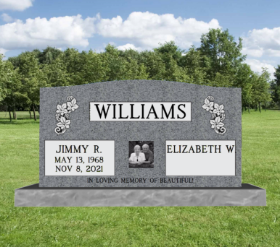
The design and inscription on a headstone often tell a story about the life and legacy of the deceased. Some may feature intricate engravings or images that capture the person’s interests and passions, while others may include heartfelt quotes or verses from religious texts. This attention to detail makes each headstone special and allows us to keep the memories of our loved ones alive.
A Place for Reflection and Healing
Visiting the grave of a loved one can be a somber experience, but headstones can also serve as a place for reflection and healing. Many cemeteries are designed with peaceful landscapes, providing a serene setting for families to visit and pay their respects. The headstone, with its personalized inscription, offers a tangible connection to the person we have lost and can be a source of comfort during moments of grief.
Some people may find solace in leaving flowers, notes, or small trinkets on their loved one’s headstone, creating a sense of ongoing connection and remembrance. This act of tribute can also provide a sense of closure and help with the healing process after loss.
A Legacy for Future Generations
Headstones not only serve as a way to honor those who have passed away, but they also leave behind a lasting legacy for future generations. These markers can be seen as a form of storytelling, passing down memories and history to future family members. As time goes by, these headstones become a link to our past, connecting us to our ancestors and reminding us of where we come from.
Furthermore, headstones can also serve as a reference for genealogy research, providing valuable information for descendants looking to learn more about their family history. They are not just simple markers; they are a testament to the lives lived and the stories told by those who came before us.
A Celebration of Life
Despite their association with death, headstones can also be a celebration of life. They are a physical representation of the impact that our loved ones have had on our lives and the world around them. Instead of focusing on the sadness of their passing, headstones allow us to remember and celebrate the moments of joy and happiness shared with those we have lost.
In some cultures, headstones are adorned with colorful flowers and decorations, creating a vibrant and festive atmosphere that honors the person’s life. This celebration of life is a beautiful way to pay tribute to our loved ones and keep their memory alive in our hearts.
A Final Resting Place
Finally, headstones serve as a final resting place for our loved ones. They mark the spot where their physical bodies rest, becoming a permanent part of the earth. As years go by, headstones may age and weather, but they will always stand as a symbol of love, remembrance, and a life well-lived.
In conclusion, headstones may represent death, but they are also a symbol of love and remembrance. They provide a place for healing and reflection, leave behind a legacy for future generations, and serve as a celebration of life. These markers are not just for the dead, but also for the living, as they offer a sense of comfort and connection to those we have lost. Let us remember our loved ones through the beauty of headstones and honor their memory in the most meaningful and positive way possible.